
Short answer: Yes. Street food in Hanoi is safe for most travellers, and eating it is one of the best things you can do in the city. The risk isn't zero anywhere, but you can cut it a lot by eating at busy stalls with high turnover, choosing food that's cooked to order and served hot, drinking bottled or filtered water (not tap water), and going easy on raw herbs for your first day or two. The ice in central Hanoi cafés is usually factory-made and fine. Before you travel, the CDC recommends hepatitis A and typhoid vaccines for Vietnam.
We're Hanoi-born guides who eat street food every day and take travellers to it every week. This is the honest version: what's genuinely low-risk, what deserves care, and what to do if your stomach complains. Last updated: November 2026. This is practical travel advice, not medical advice, so speak to a travel clinic about your own health needs.
Why Most Travellers Eat Hanoi Street Food Without Problems
- Turnover is fast. A popular pho shop may sell hundreds of bowls in a morning, so ingredients don't sit around.
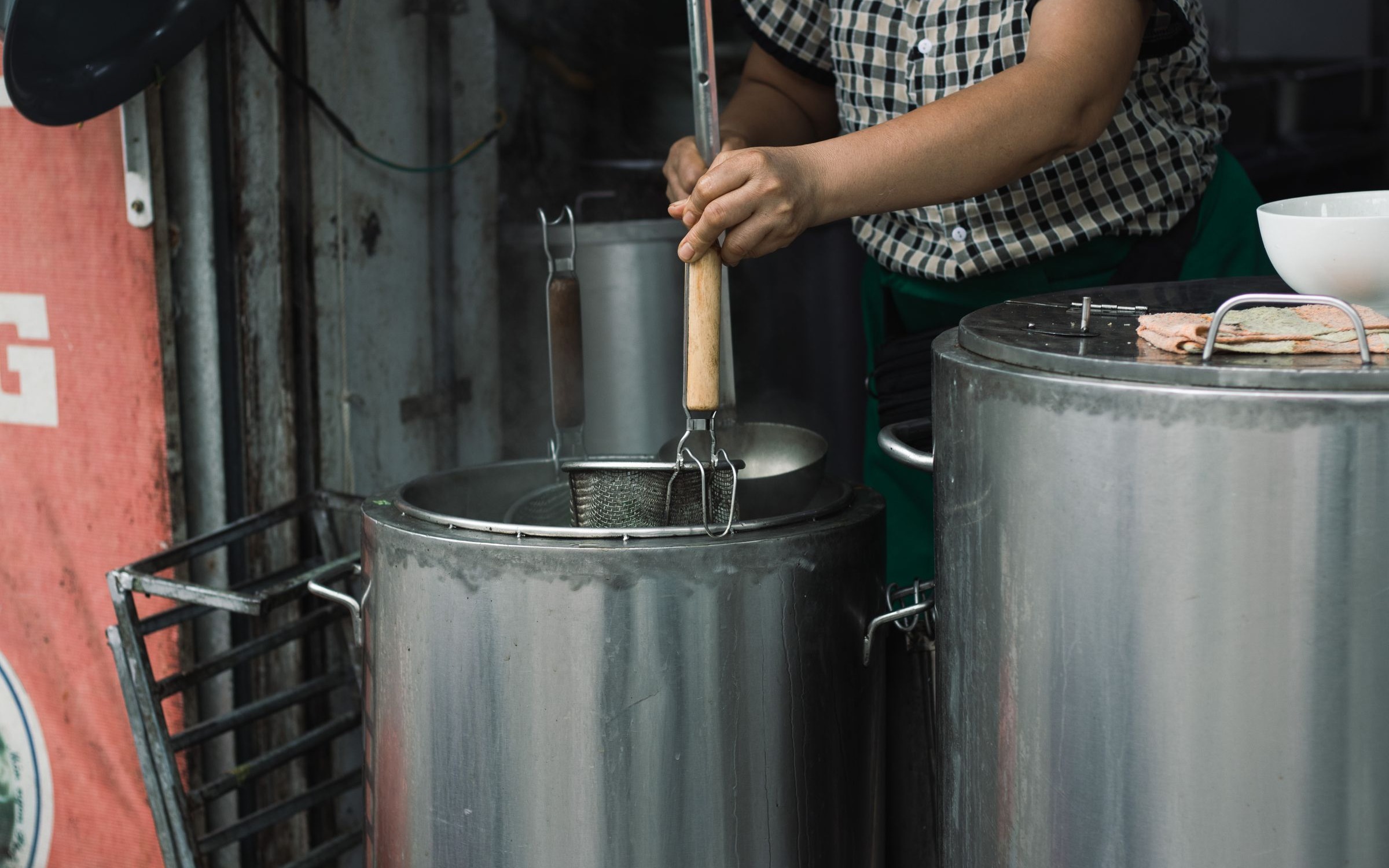
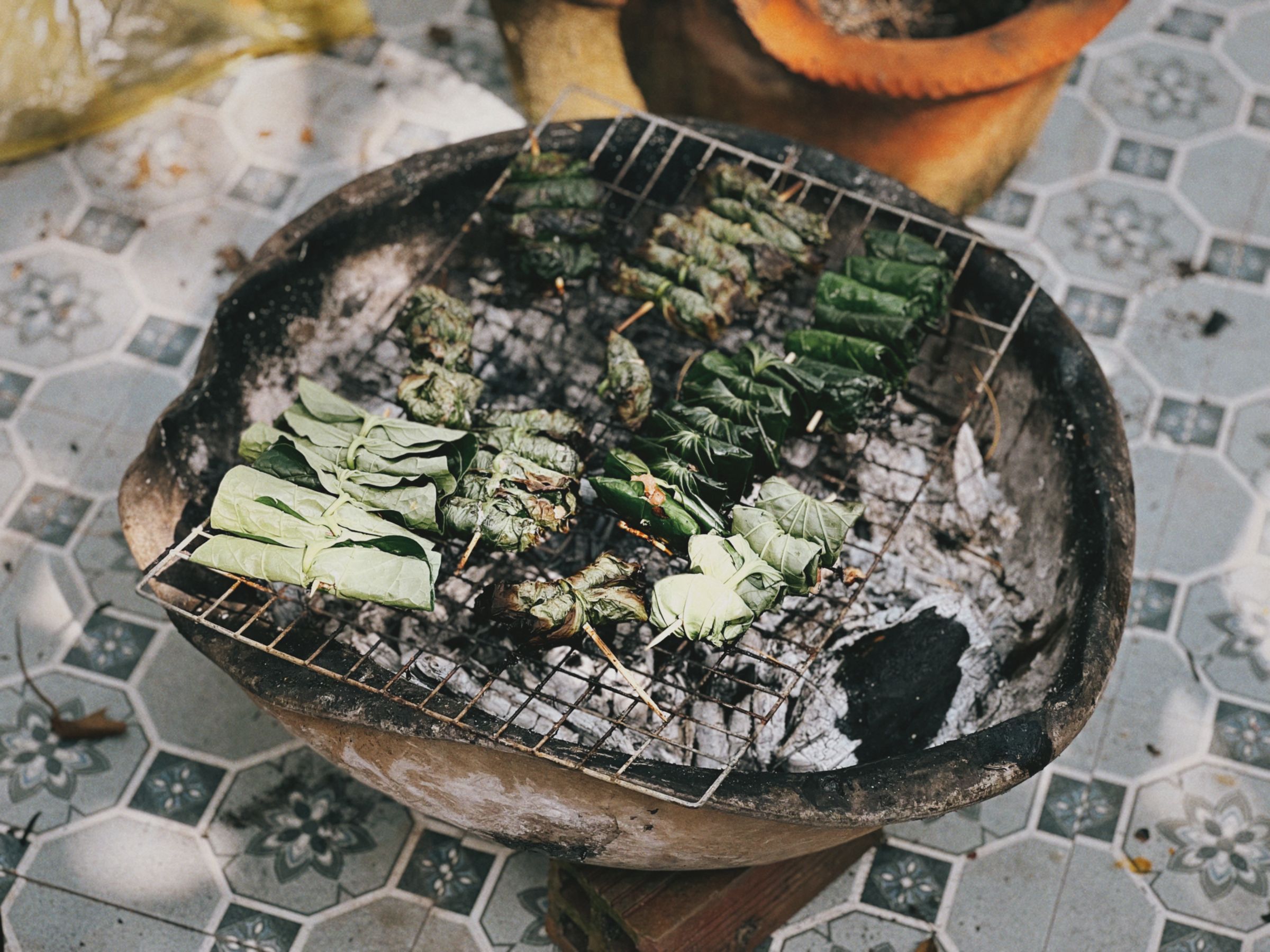
- Most dishes are cooked hot, to order. Broths are kept at a rolling boil, noodles are blanched in front of you, and meat is grilled over charcoal.
- Shops specialise. A stall that makes one dish, often for decades, knows exactly how much to prepare each day.
- Locals are demanding customers. A shop that makes people sick doesn't keep its regulars for long.
Most stomach trouble travellers pick up comes from a few avoidable things: tap water, food that has sat out lukewarm, or simply a rich, unfamiliar diet and too much heat in the first days.
10 Rules for Eating Street Food Safely in Hanoi
- Follow the crowd. Choose stalls full of locals at local mealtimes (around 7:00, 12:00 and 18:30). Empty stalls at peak hours are a warning sign.
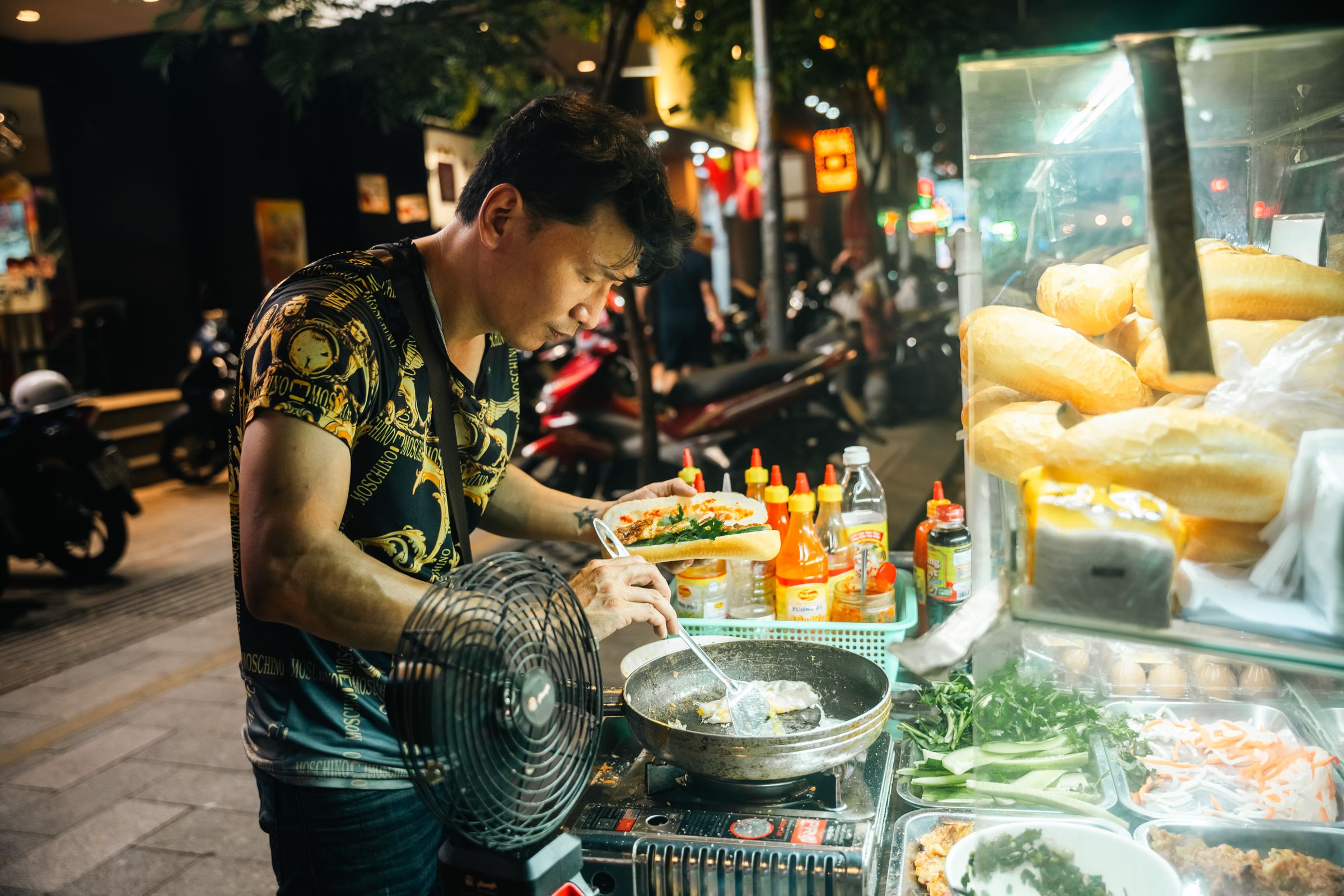
- Watch it being cooked. Favour dishes made in front of you: pho, bun cha, banh cuon, banh mi.
- Hot means hot. Soups should be steaming and grilled meat cooked through. Skip anything lukewarm that has been sitting out.
- Look at the prep area, not the stool. Plastic stools and pavement seating are normal. What matters is a tidy prep station, covered ingredients and clean bowls.
- Drink bottled or filtered water. Never drink from the tap. Hot tea and coffee made with boiled water are fine.
- Wipe your chopsticks and spoon. Locals do it with a napkin before eating, and so can you. Carry hand sanitiser for before meals.
- Ease in with raw greens. If you have a sensitive stomach, go light on raw herbs for the first day or two.
- Be choosy with shellfish. Order snails and clams only at busy specialist shops, and avoid them on very hot days at quiet stalls.
- Pace yourself. Rich broths, fried snacks, strong coffee and heat add up. Share portions and drink plenty of water.
- Know your allergies. Peanuts, shellfish, shrimp paste and fish sauce are common. Carry a written note in Vietnamese and ask before ordering.
Is the Ice Safe in Hanoi?
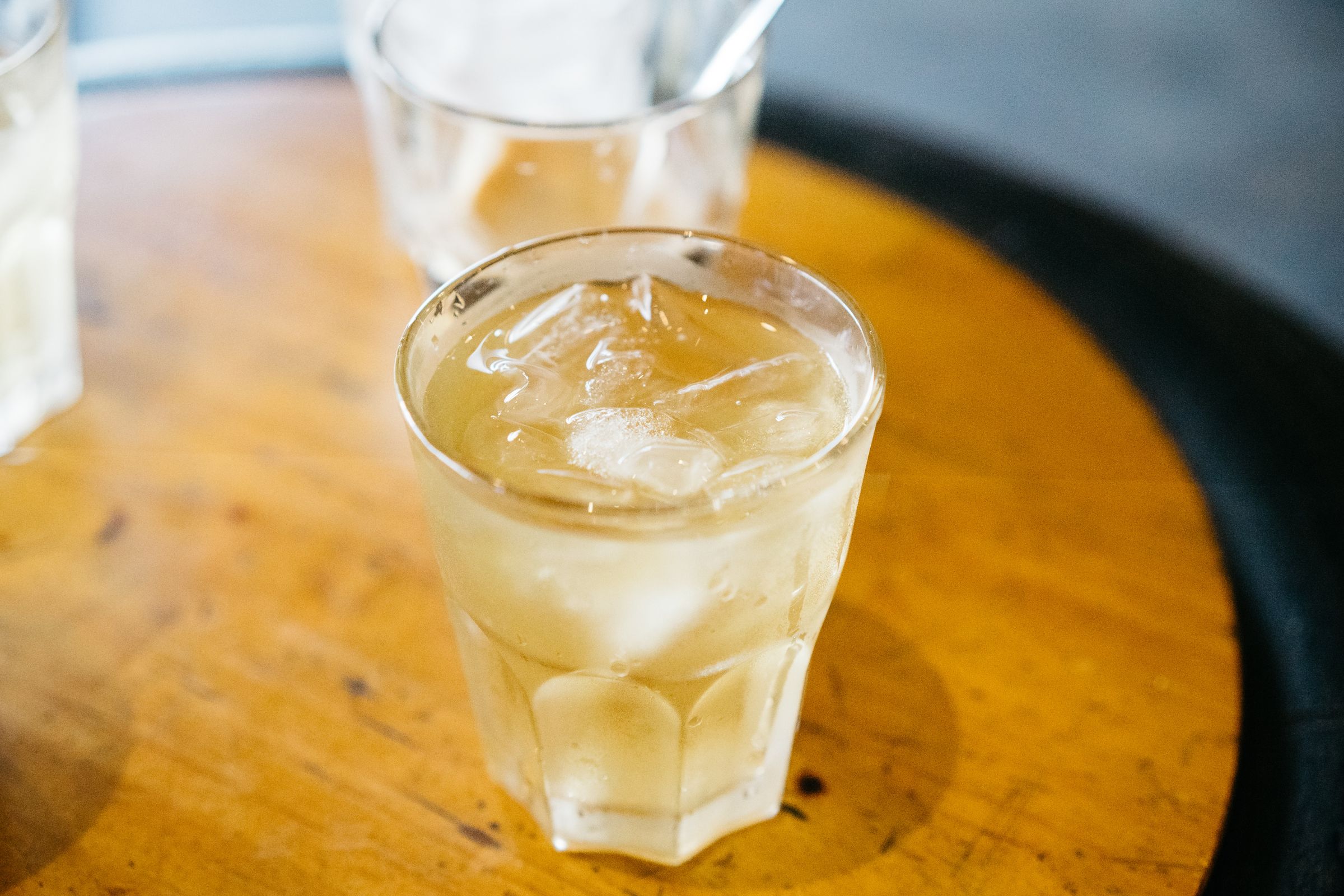
Usually, yes. Cafés and restaurants in central Hanoi generally use factory-made tube ice, the cylinders with a hole through the middle. It's produced from treated water and delivered in sealed bags. Be more careful with irregular, cloudy, hand-broken block ice at very small stalls. If in doubt, order a hot drink or ask for không đá (no ice).
Can You Drink Tap Water in Hanoi?
No. Don't drink tap water in Hanoi, even in good hotels. Use bottled or filtered water, which is cheap and sold everywhere. A 500 ml bottle costs around 5,000–10,000 VND at local shops. Most locals also drink boiled or filtered water at home. Brushing your teeth with tap water is fine for most people, and hot tea served at street stalls is made with boiled water.
What About Raw Herbs and Salads?
Fresh herbs are part of almost every Hanoi dish: lettuce, perilla, mint, coriander and more. Busy shops wash them in large volumes, and millions of people eat them daily. If you're prone to stomach trouble, skip the raw greens for the first day or two, then add them gradually. You can also choose dishes where herbs are added to the hot broth, which wilts them.
Foods to Be More Careful With
- Tiết canh (raw blood pudding): avoid. Vietnamese health authorities regularly warn against it because of the risk of serious bacterial infection.
- Homemade rice wine (rượu) in unlabelled bottles: avoid. Methanol poisoning from illicit alcohol has been reported in Southeast Asia. Stick to sealed, branded drinks.
- Rice dishes that have sat out for hours: cơm bình dân (point-and-pick rice) is best at lunchtime, when it's freshly made, not late in the afternoon.
- Pre-cut fruit in hot weather: buy whole fruit, or fruit cut in front of you.
- Raw or lightly cooked egg: egg coffee uses whisked raw egg yolk. Most visitors enjoy it, but pregnant travellers and anyone with a weakened immune system may prefer to skip it.
- Rare beef in pho (tái): the hot broth partly cooks the thin slices. If you want everything fully cooked, order chín (well-done).
Before You Travel: Vaccines and Prep
- Vaccines: the CDC's Yellow Book recommends that travellers to Vietnam be vaccinated against hepatitis A and typhoid, both of which can spread through contaminated food and water. Visit a travel clinic 4–8 weeks before your trip.
- Travel insurance with medical cover is strongly recommended.
- Pack a small kit: oral rehydration salts, hand sanitiser, any personal medication, and an allergy card in Vietnamese if you need one.
What to Do If You Get Sick in Hanoi
- Rest and rehydrate. Oral rehydration salts (oresol) are sold cheaply at every pharmacy. Chains like Long Châu and Pharmacity are all over the city.
- Eat simply. Cháo (plain rice porridge) is what Hanoians eat when they're unwell.
- See a doctor if you have a high fever, blood in your stool, severe dehydration, or symptoms lasting more than 48 hours. International-standard options include the Hanoi French Hospital (1 Phuong Mai St), Family Medical Practice Hanoi (298I Kim Ma St) and Vinmec Times City (458 Minh Khai St).
- Emergencies: call 115 for an ambulance, or ask your hotel to call a taxi to the nearest international hospital, which is often faster.
Other Street Food Safety Tips (Not About Your Stomach)
- Traffic: pavement seating is close to motorbikes. Keep bags on your lap, not hanging from the stool.
- Prices: choose places with prices on display, or confirm the price before ordering, to avoid misunderstandings.
- Phones: don't leave your phone on the table edge facing the street.
- Heat: in summer (May–September), eat in the morning and evening and stay hydrated.
How a Food Tour Can Make It Easier
A guide can't make any kitchen risk-free, and nobody honest will promise that. What a local guide does is take the guesswork out. We choose stalls we know and eat at ourselves, steer you to dishes cooked fresh in front of you, explain what's in each dish and adjust for sensitive stomachs, allergies or diets. On our Private Hanoi Walking Street Food Tour, bottled water is included, and you can tell us in advance about anything you'd like to avoid, such as raw herbs, shellfish or rare beef. Vegetarians can book the Vegetarian & Vegan Street Food Tour.
Frequently Asked Questions
Should I avoid street food on my first day in Hanoi?
No need to avoid it, but start gently. Choose hot, freshly cooked dishes like pho or banh cuon, go light on raw herbs and fried food, and drink plenty of bottled water.
Is it safe to eat street food in Hanoi with children?
Yes, with the same precautions. Pick busy stalls, stick to well-cooked dishes such as pho ga, banh cuon, xoi or grilled pork, and carry hand wipes. Many Hanoi families eat out with young children every day.
Is the ice in iced coffee safe in Hanoi?
In established cafés in central Hanoi, generally yes, because they use factory tube ice. At tiny stalls with cloudy, irregular ice, order your coffee hot or không đá (without ice).
Is egg coffee safe to drink?
For most people, yes. It's served at well-known cafés that make hundreds of cups a day. Because it uses whisked raw egg yolk, pregnant travellers and people with weakened immunity may want to skip it.
What are the signs of a bad street food stall?
Empty at mealtimes, food sitting out uncovered and lukewarm, a dirty prep area, no prices on display, or someone aggressively pulling you in. Walk on, because there's always another option a few metres away.
Can I get food poisoning from pho?
It's uncommon, because the broth is kept at a boil and poured over the noodles and meat just before serving. As with any food anywhere, choose a busy shop.
Related Guides
- What Food Should I Try in Hanoi? 18 Must-Try Dishes
- Hanoi Street Food Guide for First-Time Visitors
- Vegetarian and Vegan Food in Hanoi
Sources checked in November 2026: CDC Yellow Book, Vietnam destination page (vaccine recommendations), plus our own guiding experience in Hanoi. This article is general travel information, not medical advice. Consult a travel health professional for advice about your own circumstances.

Leave a Reply
Your email address will not be published. Required fields are marked *